Deciding between indoor and outdoor storage can feel like picking the wrong outfit for a rainy day, annoying and costly. Climate change, pests, and curious neighbors all play a part in that choice. One wrong pick could ruin a beloved heirloom or make monthly bills spike for no good reason.
So, which unit truly fits your belongings? This guide breaks down every angle to help find that perfect storage space for rent.
Climate control matters for delicate goods:
Wood furniture, leather handbags, wool coats, and paper documents hate extreme heat and cold. Outdoor units bake in summer and freeze in winter, causing cracks, warping, and mildew. Indoor units with climate control keep temperature and humidity steady all year round.
If items hold sentimental or high value, indoor climate control is a lifesaver. Outdoor units cannot offer this protection, so save them for items that do not mind weather swings.
Accessibility and convenience:
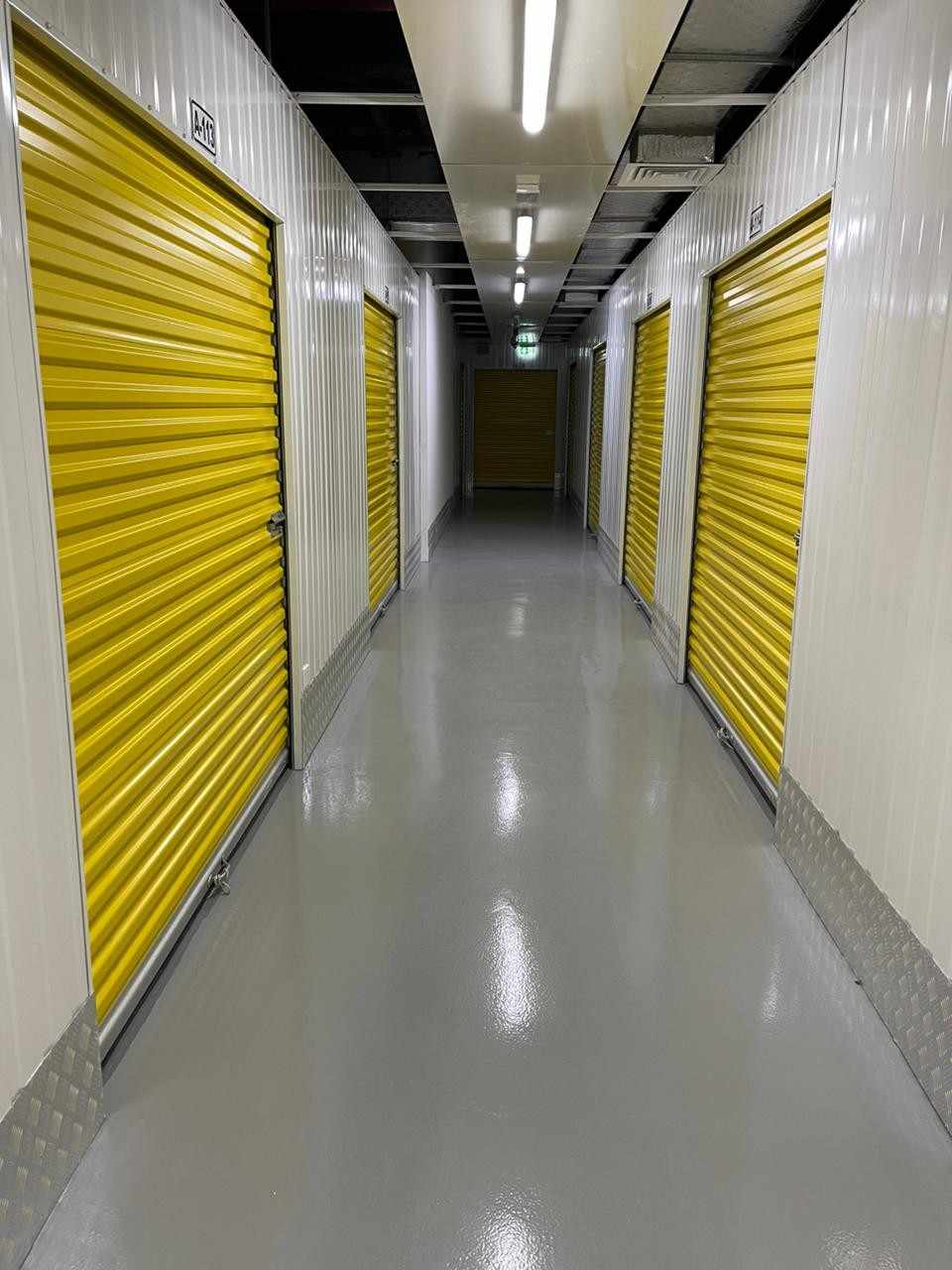
Indoor facilities usually have hallways, elevators, and good lighting, making loading and unloading easy. Outdoor units sit at ground level with drive-up access, so a car can park right in front of the door. That convenience works perfectly for large, heavy things like sofas, mattresses, and boxes of books.
Indoor units might require a few extra steps and hallways, which can be tiring with bulky loads. However, indoor spaces offer better lighting and cleaner floors, so clothes and linens stay dust-free during moves.
Security differences:
Indoor units sit inside buildings with restricted entry, cameras, and sometimes on-site staff. Outdoor units have fences and gates but are more exposed to public view. Break-ins happen less often with indoor setups because thieves avoid indoor hallways and locked entry points.
Outdoor units are easier to access quickly, which also means easier for unwanted visitors to scope out. Valuable jewelry, electronics, and important files should go indoors where surveillance is tighter. Sporting gear and garden tools can go outside without worry.
Pest protection:
Outdoor units sit near grass, trees, and dirt, so ants, mice, and spiders find their way inside easily. Cardboard boxes and fabric items become nests or meals for these pests. Indoor units are sealed better, with concrete floors and fewer entry points for critters. Cedar chests, wool rugs, and stuffed animals stay safe from chewing and nesting indoors.
Outdoor units are fine for plastic bins, metal tools, and camping chairs that pests cannot damage. Keep anything soft or edible far away from outdoor spaces.